Verify three details in the App Store
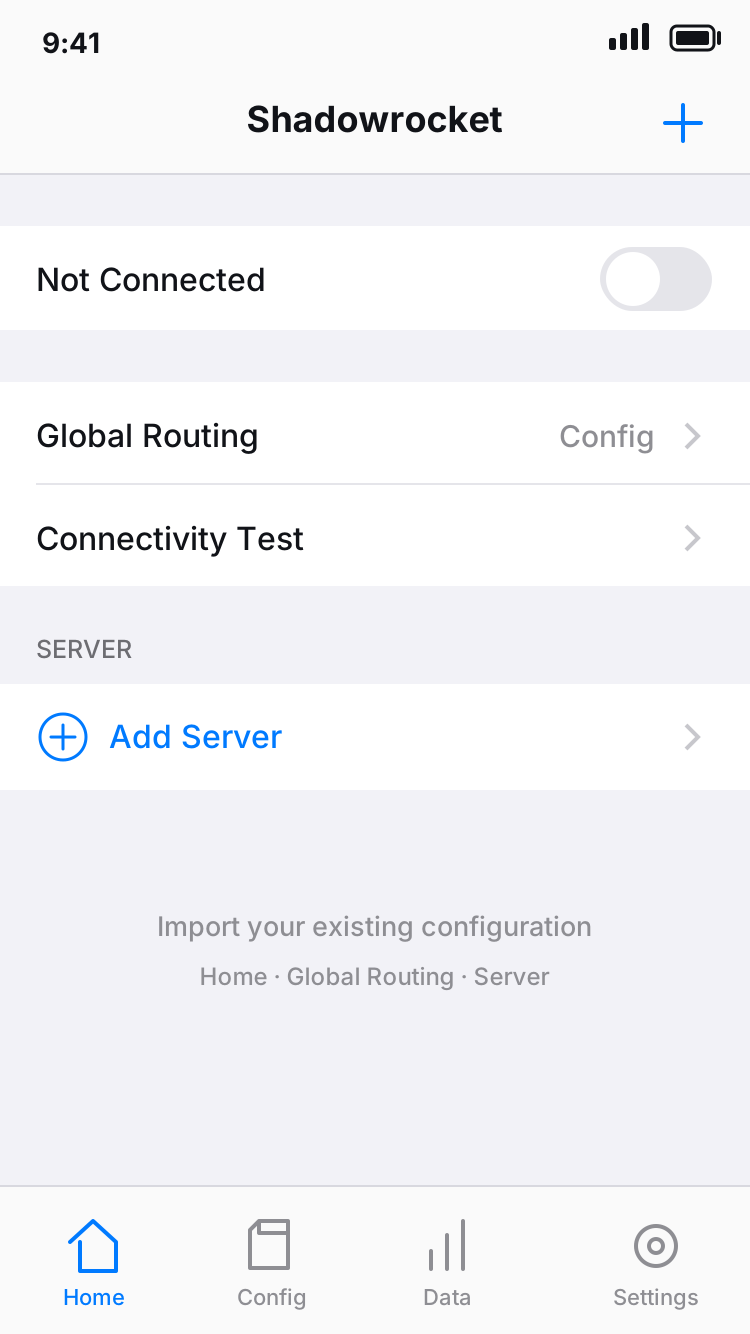
Open the specified product page and check the app name Shadowrocket, the official icon, and the developer Shadow Launch Technology Limited. Confirm the app ID is 932747118. Similar names in search results are not enough to verify an app; check the icon, name, and developer together. If another app with the same name appears free, do not mistake it for the iPhone / iPad product described here.
iPhone / iPad costs $2.99 as a one-time App Store purchase; the exact display depends on your storefront. Mac, Windows, Android, and Linux versions are free. For computers and Android, choose the matching platform on this site's download page; installers are provided through this site's /dl/shadowrocket/ path. Do not substitute a similarly named store listing for checking the platform.
Store availability and system requirements
Whether Shadowrocket appears in App Store search on iPhone / iPad depends on the storefront region associated with your Apple ID. The app is not listed in the mainland China storefront. If you cannot find it, check your account region and the product page rather than assuming the app has been renamed based on search results. If you need to change your region, follow the official Apple ID process and check the related requirements for balance, subscriptions, and payment methods first.
Refer to the App Store product page for system requirements. Before installing, check your device's current system and compatibility details on the product page. Do not assume that another person's device experience applies to yours. See the relevant sections of the download page for more on the store, account regions, and installation.
Restore purchases and set up a replacement device
The one-time iPhone / iPad purchase can be used on both devices with the same purchasing account. When replacing a device or reinstalling, first sign in with the original purchasing account, then find Shadowrocket in your purchased items. If the store still shows a purchase button, check the account and purchase history before paying again. After downloading the app, you still need to confirm that your existing configuration has been restored.
Purchase history, configuration backups, and an active server connection are three separate things. Restoring the app does not automatically restore all server details. If you use iCloud sync, check that the relevant content has finished syncing. Backups may contain server authentication information, so remove sensitive details before sharing screenshots or troubleshooting records.
App purchase ≠ network service
The client reads configurations, establishes connections, and applies rules. Server availability, subscription contents, and any usage limits depend on the services you already have. This site only provides instructions for using the client. Prepare your own subscription or server details before using this guide; purchasing the client does not provide a network route.
An expired subscription or server timeout is not the same as whether the client has been purchased. During troubleshooting, first check whether your own details are still valid, then review the import and connection settings. When describing a problem to someone else, share only the symptoms and necessary parameters. Do not expose a complete subscription URL, password, or authentication fields.
Other platform downloads and updates
Mac has separate Apple Silicon and Intel versions, and Windows, Android, and Linux each have their own installers. Check the processor and package format before choosing, then follow the installation steps. If the system blocks an installer, follow the instructions for that platform on the download page. Do not run commands or bypass prompts before confirming the source. Changing platforms does not change the need to verify server parameters.
Update the iPhone / iPad app through the App Store. For computers and Android, return to this site's download page for the latest installer. Keep your current configuration before updating; afterward, check the selected server, Global Routing, and any required permissions. If an issue occurs after an update, first compare the settings, then troubleshoot by symptom instead of clearing all your data.
What to include in troubleshooting notes
A useful troubleshooting record includes the device platform, network in use, Global Routing mode, connection switch status, and the specific destination causing the issue. If the same server behaves differently on different networks, keep that comparison. If only Config fails, check the rules first. Clear records make it easier to determine whether the next change should involve the network, parameters, or configuration.
Change one setting at a time and note the results before and after. Connectivity Test, Data readings, and actual access describe different aspects; do not use one as a substitute for all the others. When testing is complete, restore any temporarily disabled On Demand conditions and remove duplicate entries you no longer need to keep the configuration traceable.